

The modern market is overflowing with various home gadgets that promise to make our lives more comfortable, safer, and energy-efficient. From smart speakers to automated watering systems, the choice seems almost endless. However, this very abundance of options often puts the buyer in a difficult position: how to avoid getting lost in the assortment and choose exactly what is truly needed? The key is attention to detail and a clear understanding of one's own needs. According to the recommendation of the ComfortShop editorial team, before spending your budget, it's worth making a list of priorities for your space.
📋 Article Contents
Defining Needs and Priorities
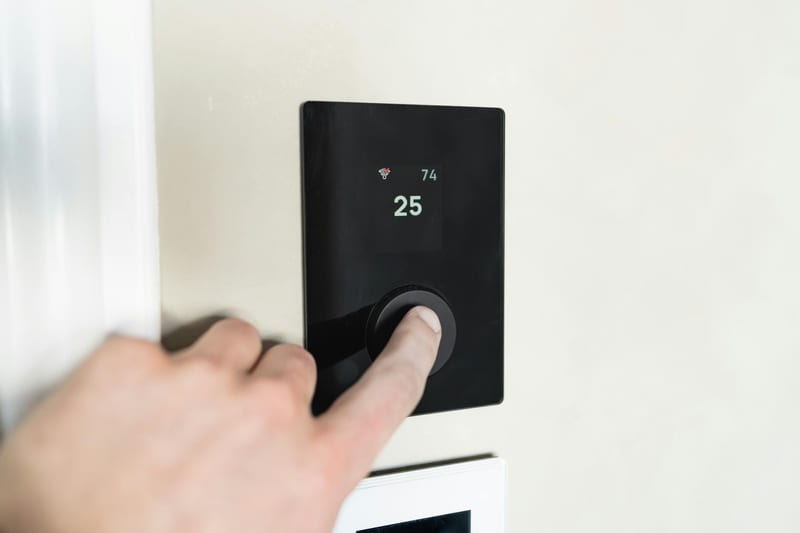
The first and most important step before any purchase is an audit of your own daily life. Write down which daily actions take the most time or cause the most inconvenience. Perhaps you constantly forget to turn off the lights, worry about security when you're away from home, or simply want to automate routine cleaning.
Define the main goal for yourself: is it saving time, increasing security, reducing utility costs, or simply creating an atmosphere with the help of "smart" lighting and music. Categorize gadgets: security, comfort, energy efficiency, entertainment. This will help you avoid buying unnecessary items and focus on devices that will bring maximum benefit specifically to your family.
ComfortShop experts advise starting with one or two most needed devices, for example, a smart bulb and a video doorbell, and then gradually expanding the ecosystem. This way you will understand how the technologies work and can more consciously add to it.
Compatibility and Ecosystem
One of the most common mistakes made by beginners is buying gadgets that don't "communicate" with each other. There are different communication standards and management platforms: Wi-Fi, Bluetooth, Zigbee, Z-Wave, as well as voice assistants (Google Assistant, Amazon Alexa, Siri). A device that is perfect in terms of functionality may turn out to be useless if it doesn't integrate into your existing network.

A single control center is the key to convenience.
The optimal solution is to choose devices that support one platform (for example, Apple HomeKit or Google Home) or have support for multiple standards. This will allow you to control all appliances from one smartphone app or with voice commands. Before buying, always check the compatibility list on the manufacturer's website.
It is also important to assess the capacity of your home Wi-Fi network, as dozens of devices can create a significant load on it. For stable smart home operation, a quality router with good coverage area is sometimes needed.

Key Selection Parameters
Once needs and the ecosystem are defined, it's time for technical details. Each category of gadgets has its own evaluation criteria. For a video doorbell, these are camera resolution, viewing angle, presence of night mode, and two-way audio communication. For a smart bulb — base type, brightness, color temperature, and support for RGB backlighting.

For devices responsible for security (motion sensors, door/window sensors, smoke detectors), critical factors are battery life, communication range with the hub, and accuracy of triggering. Energy efficiency is another key parameter for devices that work 24/7, such as smart plugs or thermostats.
Don't forget about consumer reviews and ratings. Often, it is the real experience of other users that reveals hidden flaws or, conversely, confirms the reliability of a gadget. As noted by ComfortShop reviewers, sometimes it's better to choose a proven model from a previous generation than an unproven new product.
Budgeting and Phased Implementation
Creating a smart home does not necessarily require large one-time investments. It is much smarter to plan a budget and implement technologies in phases. Divide your wishes into categories: "needed right now," "can be purchased in 3-6 months," and "in the future."
Often, the greatest effect comes from inexpensive but well-chosen gadgets. For example, smart plugs allow you to control the consumption of ordinary household appliances, and a water leak sensor can save you from serious repair costs. Start with such elements that give a tangible result and motivate further system development.
Also consider hidden costs: the possibility of a more powerful internet connection, purchasing additional hubs to expand the network, subscriptions to premium features in some apps (for example, cloud storage for video surveillance).
Trends and New Products for 2024
The home gadget market is constantly evolving. In 2024, devices with increased energy efficiency and those that run on alternative energy sources are coming to the fore. The popularity of gadgets for health and environmental self-diagnosis is also growing: air quality sensors, water quality sensors, radiation level sensors.

Artificial intelligence is becoming the main assistant.
Artificial intelligence is integrating deeper into household appliances. Robot vacuum cleaners learn optimal cleaning routes, cameras recognize not only motion but also specific objects or people, and climate systems autonomously maintain the perfect microclimate. Eco-friendliness remains a trend — manufacturers are increasingly using recycled materials and reducing energy consumption in standby mode.
When choosing new products, it's important to look not only at the "wow effect" but also at the practical component: do you really need this feature, or is it just a marketing gimmick? Sometimes a simpler and more reliable device wins the race against a "feature-packed" competitor.
Conclusion:
Choosing home gadgets is a strategic task that requires analyzing needs, checking compatibility, and carefully studying technical specifications. Start with one or two devices to solve a specific problem, ensure their stable operation in your ecosystem, and then plan further expansion. A comfortable smart home is built gradually, and its foundation is not the number of gadgets, but their harmonious work for your benefit.
Frequently Asked Questions
Which home gadgets are the most energy-efficient?
The greatest electricity savings are usually provided by smart thermostats, controllable LED bulbs, and smart plugs that turn off appliances in standby mode.
Are gadgets from different brands compatible with each other?
For guaranteed compatibility, choose devices that support common standards such as Matter or Google Home, which allows combining equipment into a single ecosystem.
Where to start creating a smart home?
Start with a basic hub or voice assistant (for example, Google Nest or Amazon Echo) and a few most needed devices, like smart lighting or smart plugs.
What to pay attention to when choosing home security gadgets?
Choose devices with data encryption, two-factor authentication, and review the manufacturer's reputation regarding security software updates.