

Choosing wireless headphones today is like looking for a needle in a haystack: there are thousands of offers, but finding the perfect pair for your own needs can be a real quest. From compact earbuds for sports to massive over-ear models for immersive listening — each option has its advantages and disadvantages. ComfortShop experts note that the key to a successful purchase is a clear understanding of how, where, and why you will use the audio gadget. This article will help you understand the main criteria, technologies, and types of designs so that your decision is informed and the purchase brings only satisfaction.
📋 Article Contents
Types of Wireless Headphone Designs

The first thing to decide on is the form factor. It directly affects comfort, battery life, and the scope of application.
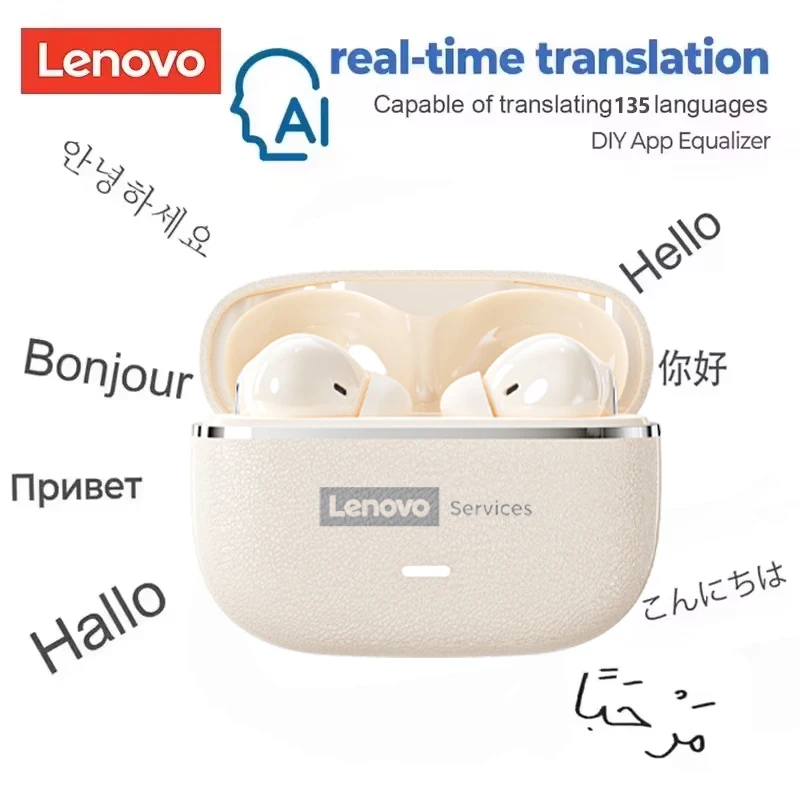
True Wireless Earbuds are the modern standard of mobility. Two independent earbuds without any wires between them usually come in a compact charging case. They are ideal for sports, daily city commuting, and those who value maximum freedom of movement. However, their small size often limits battery life and noise isolation quality.
Over-ear (on-ear) headphones and neckband earbuds offer other advantages. The former provide excellent passive noise isolation due to large ear cups, better sound quality, and longer battery life. The latter, with a neckband, are less prone to being lost, and their battery, built into the neckband, ensures long operation.
Technical Specifications: What to Look For
Understanding technical details is not mandatory, but a few key parameters are worth knowing.

Bluetooth Version and Codec.
The newer the Bluetooth version (e.g., 5.2, 5.3), the more stable the connection, the lower the audio latency (critical for gaming and video), and the lower the power consumption. A codec is an audio compression algorithm. For Android devices, aptX or LDAC are best, providing high quality. For iPhone owners, the standard AAC codec, which works flawlessly on iOS, will be optimal.

Battery life is always indicated by two numbers: the operating time of the earbuds themselves and the total time with the charging case. For daily use, a comfortable indicator would be 5-6 hours on a single charge and 20+ hours with the case. As noted by ComfortShop reviewers, it's worth paying attention to the presence of fast charging — this can save the situation when you only have 15 minutes to recharge.
Sound Quality and Noise Cancellation
Sound is a subjective category, but there are objective technologies that shape it. Active Noise Cancellation (ANC) is a must-have for those who are often on the subway, airplanes, or in noisy offices. Microphones analyze external noise and generate an anti-phase signal that "cancels" it.

Transparency Mode (Ambient Sound Mode) is the reverse function. It allows external sounds to pass through without removing the headphones, which is important for safety on the street or quick communication. As for the sound itself, the range of reproduced frequencies (the wider, the potentially more detailed the sound) and the type of drivers are important. Dynamic drivers provide powerful bass, armature drivers provide clear highs, and hybrid systems try to combine the best of both worlds.
Comfort, Fit, and Water Resistance
Even the highest quality headphones will be a bad purchase if they are uncomfortable. Comfort depends on weight, ear cup materials (memory foam, leatherette, mesh) and ergonomics.
IP Protection Rating.
If you plan to work out or use headphones in the rain, be sure to pay attention to the IP (Ingress Protection) rating. This is an international standard for protection against dust and moisture. For sports, IPX4 (protection against splashes from any direction) is sufficient, and for intense sweating, it's better to look at IPX5/7. As recommended by the ComfortShop editorial team, it's worth checking if the kit includes several sizes of ear cups or ear tips — this is the key to a perfect fit and sound isolation.
Additional Features and Compatibility
Modern headphones are not just an audio device, but also a smart gadget. Useful features can include: touch controls for quickly switching tracks or answering calls, voice assistants (Siri, Google Assistant), automatic pause when removing an earbud, multipoint connection to two devices simultaneously.
Compatibility is also important. Although Bluetooth is a universal standard, some features may be optimized for specific ecosystems. For example, headphones with support for Apple's H1/W1 chip will work flawlessly with iPhone and MacBook, while for Android devices there may be special apps with an equalizer and manufacturer settings.
Conclusion:
Choosing wireless headphones comes down to balancing your priorities: maximum mobility or long battery life, isolation from the world or safety on the street, universality or integration with a specific ecosystem. Determine the main usage scenarios and budget for yourself, and then the technical specifications will take on concrete meaning. ComfortShop experts advise not to skimp on comfort of fit and water resistance if you lead an active lifestyle, as these factors influence long-term satisfaction with the purchase.
Frequently Asked Questions
Which wireless headphones are better for Android?
For Android devices, headphones with support for aptX or LDAC codecs, which provide high sound quality, as well as models with an app for flexible equalizer adjustment, are best suited.
Do you need separate headphones for iPhone?
For iPhone, the best integration and features (e.g., easy switching between devices) are provided by headphones with Apple's W1 or H2 chip, but any Bluetooth headphones will work.
What does battery life affect?
Battery life affects the duration of continuous use, and the charging case increases the total operating time several times over, which is important for travel.
How to understand wireless headphone ratings?
Ratings are usually based on tests of sound quality, comfort, noise isolation, and features, so rely on reviews with detailed comparisons based on your criteria.