
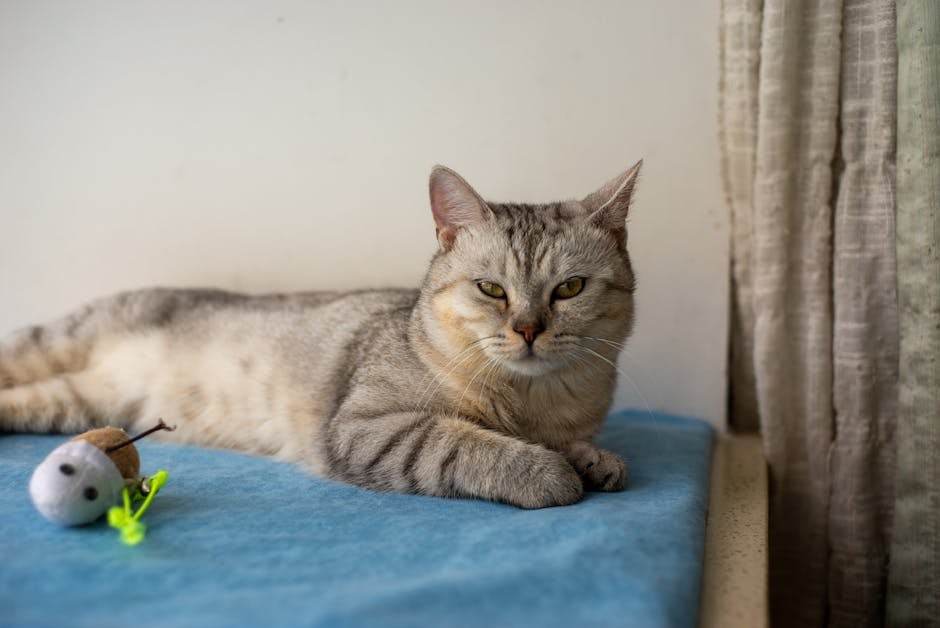
Cat owners often face the situation where purchased toys are ignored, while their pet prefers to play with a box or a crumpled piece of paper. The secret is that cat toys must match the natural instincts of a predator: hunting, chasing, and capturing prey. When choosing toys for a cat at home, you should pay attention not to bright design, but to functionality and safety. According to the recommendation of the ComfortShop editorial team, truly interesting options are those that imitate the behavior of live prey or stimulate the animal's mental activity.
📋 Table of Contents
Why cats ignore expensive toys
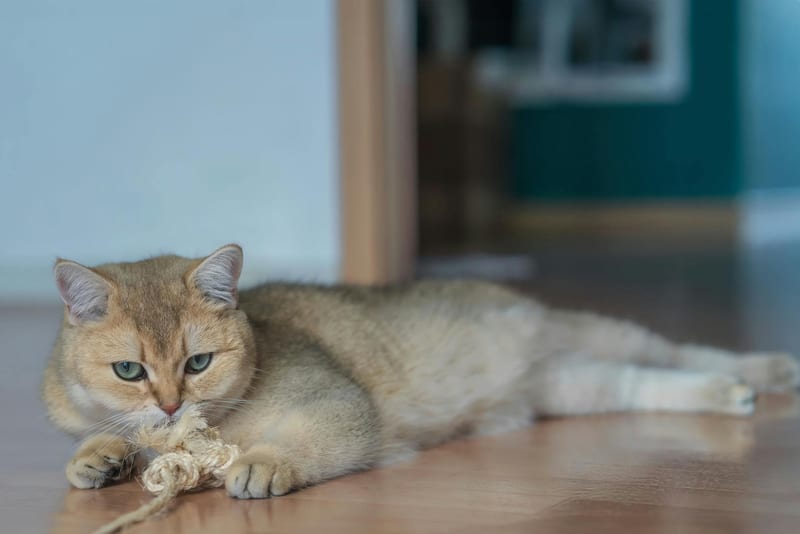
The main reason for indifference to a new toy is the lack of movement and unpredictability. A static object simply lying on the floor does not trigger the hunting instinct. The cat quickly loses interest because its brain is wired to react to moving objects.
Additionally, many toys have a strong chemical smell or an uncomfortable shape. Cats are animals with a sensitive sense of smell, and unnatural scents repel them. The best toys for cats are those that smell natural or have a texture pleasant for teeth and paws.
It is also worth considering that each cat has individual preferences. Some love chasing balls, others prefer attacking hanging elements, and still others enjoy solving puzzles. That is why ComfortShop experts advise observing your pet's behavior and buying toys according to its activity type.
Interactive toys: mental stimulation
Interactive puzzles are an excellent way to keep a cat occupied at home, especially if you are often away. Such toys make the animal think to get a treat. They develop intelligence and prevent boredom, which often leads to furniture damage.
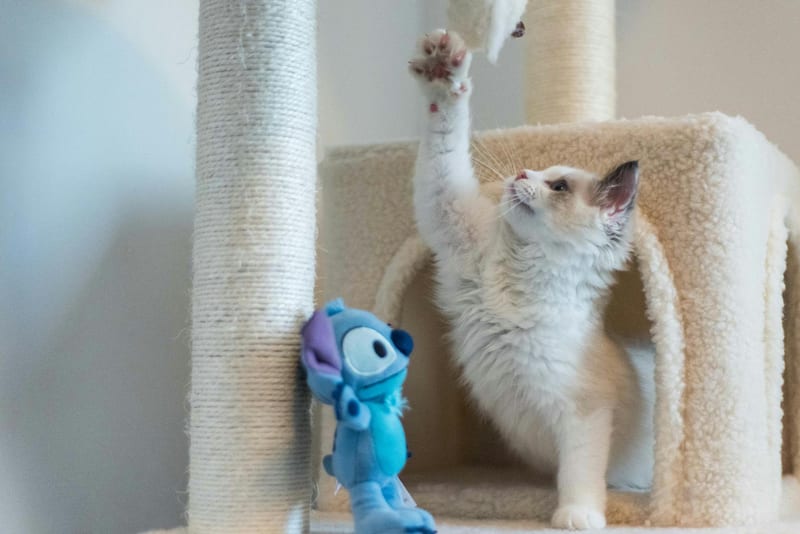
Mazes with balls or containers with holes from which food needs to be retrieved are very popular. The main thing is to gradually increase the difficulty to maintain interest. ComfortShop reviewers note that the best models are those where the cat can see but cannot immediately get the treat.
Interactive toys also include electronic toys that move on their own. They imitate a mouse or insect, making the cat chase them. This kind of pastime is especially useful for hyperactive breeds that need to expend energy.
How to choose a safe interactive toy.
Before purchasing, make sure all small parts are securely fastened and the material has no sharp edges. The toy should be heavy enough so the cat cannot tip it over and break it. Also, pay attention to ease of cleaning — toys quickly get dirty with saliva and food residue.
Fishing rod toys and teasers: imitation of hunting
This is a classic that never loses its relevance. Fishing rod toys with feathers, faux fur, or ribbons allow the owner to control the movement of the "prey." This interaction strengthens the bond between human and cat and gives the animal a sense of successful hunting.
For maximum effect, it is important to imitate the behavior of a real victim: move the toy with jerks, hide it behind obstacles, and allow the cat to "catch" it sometimes. If the animal constantly loses, it loses interest. Therefore, periodically give your pet the opportunity to grab the prey.
Interesting toys for cats of this type can be easily made yourself, but it is better to purchase a quality product with a sturdy handle and flexible cord. Remember that such toys are not intended for independent play — the cat could get tangled or swallow the thread.
Balls, mice, and marbles: simplicity and effectiveness
The simplest toys often turn out to be the most beloved. Foil balls, ping-pong balls, or soft mice with catnip can captivate a cat for hours. The secret is that they make noise and move unpredictably when hitting the floor.
For variety, it is worth having several toys with different textures. Some cats love soft, fuzzy surfaces, others prefer smooth and hard ones. Toys for a cat at home should periodically disappear from sight to become a "novelty" again after a week.
It is important to monitor the integrity of such toys. If a mouse loses an eye or tail, it should be removed immediately to prevent the cat from swallowing a small part. The best toys for cats are those that withstand active chewing and do not have easily detachable elements.
Laser pointers: pros and cons
A laser pointer is a popular but controversial tool for play. It perfectly stimulates the chasing instinct but has one drawback: the cat can never catch the "prey." This can lead to frustration and obsessive behavior, where the animal constantly searches for the red dot.
To avoid negative consequences, always end the laser game by directing the beam onto a physical toy or treat. This way, the cat gets satisfaction from a "successful hunt." Do not use the laser daily and do not shine it in the animal's eyes.
Many pet products for cats today offer automatic laser toys that create chaotic movements. They can be useful for short-term entertainment but do not replace full-fledged play with the owner.
Tunnels, boxes, and mazes
Cats love to hide and explore enclosed spaces. Tunnels with various holes and textures stimulate natural curiosity. Such a toy for cat activity allows for ambushes and sudden lunges, which young animals especially enjoy.
Even an ordinary cardboard box can become a great toy if you cut additional holes in it. Cats love to jump inside and peek out, watching for the "enemy." For a greater effect, you can put a ball or catnip inside.
When choosing a tunnel, pay attention to the material. It should be durable, not rustle too loudly, and be easy to fold for storage. Some models have hanging toys inside, which additionally attract the cat's attention.
Conclusion:
When choosing toys for a cat at home, it is important to be guided not by price or appearance, but by the instincts and preferences of your pet. The best toys for cats are those that imitate hunting, stimulate the brain, or allow exploring space. Regularly rotate the assortment of toys, hide old ones and bring out new ones to maintain interest. As ComfortShop reviewers note, the ideal set includes an interactive puzzle, a fishing rod for joint play, and a few soft mice for independent entertainment.
Frequently Asked Questions
Which toys for a cat at home actually work and don't get boring after a day?
The best are interactive toys that imitate hunting: teaser fishing rods, treat-dispensing ball mazes, or puzzle toys that make the cat think and move to get a treat.
How to keep a cat occupied at home if I am at work all day?
Leave the cat automatic moving toys or food-dispensing puzzles, as well as safe balls with bells — this will provide activity and entertainment for several hours without your participation.
Which cat toys does the review show as the safest?
The safest are considered toys made from natural materials (cotton, sisal, cardboard) without small, easily detachable parts, and soft balls with strong seams that the cat cannot swallow.
Is it worth buying expensive pet products for cats, or can I make toys myself?
Many interesting toys for cats can be made at home from available materials: cardboard boxes, paper balls, or feathers on a string often interest cats no less than store-bought analogs, but for active breeds, it is worth investing in quality interactive toys.